Who we are
FermatMind is a platform for cognitive growth and decision-making for young people and those committed to long-term growth. We seek to turn personality preferences, career interests, capability structures, behavior patterns, and growth records into language that users can genuinely understand and use. Rather than treating assessments as one-off entertainment, we focus on how people can make choices more consistently in real life, develop their capabilities, manage risks, and still find these tools useful when looking back on their path years later.
We serve more than people who simply want to find out their type. Our users also include students choosing a major, people changing direction, professionals seeking to reassess their understanding of how they work, counselors and educators who need supporting tools, and organizations seeking a more reasoned understanding of talent and development. For these users, the real difficulty is never just getting a result; it is turning vague impressions into a basis for judgment that can be discussed, acted on, and reviewed.
Founder and doctoral advisors
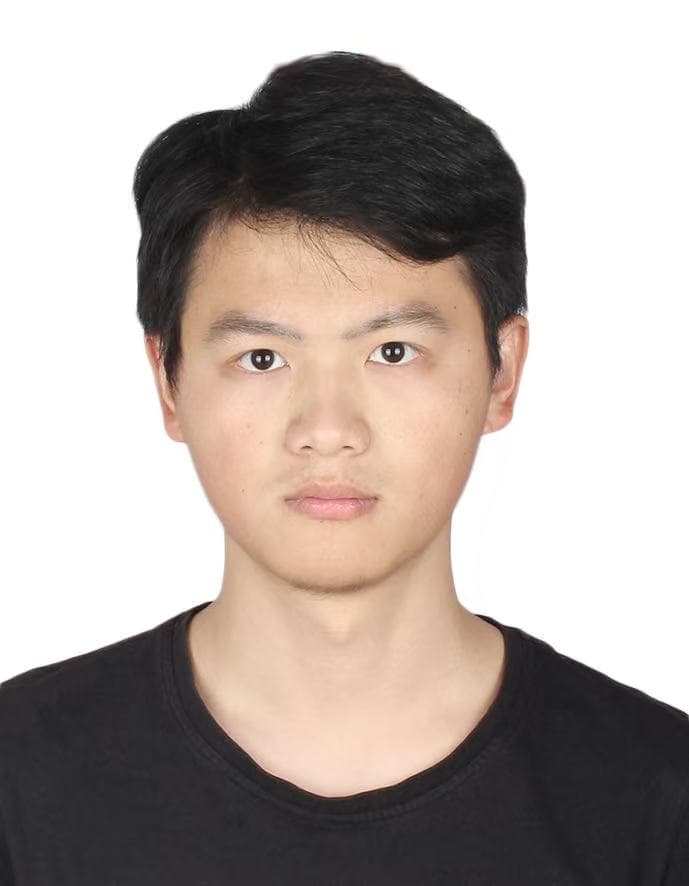
Liu Fuwei
Founder
Bachelor’s degree from Guangdong Ocean University and an MBA from Guanghua School of Management, Peking University. Raised RMB 60 million between 2018 and 2021.
Jia Ruixuan
Doctoral advisor
PhD in medicine from Peking University. Published multiple SCI papers in leading journals including Prog Eye Retin Res, Hum Mol Genet, and Nat Commun, including two SCI research articles as first author (including co-first author; impact factor above 20).
Li Chen
Doctoral advisor
PhD from Peking Union Medical College, Tsinghua University.
Why we exist
In real life, many people are not entirely unaware of themselves; their knowledge is simply fragmented. They know what interests them, but not whether that interest can become a lasting career. They know they are good at certain tasks, but not how those strengths play out across different organizations and stages of life. They know they are under pressure, but cannot tell whether it comes from a capability gap, a mismatch with their environment, or a conflict of values. Traditional assessments often stop at labels, and career advice often stops at slogans. FermatMind exists to move self-understanding from an abstract feeling toward a more detailed, structured understanding.
We believe that good growth tools should neither draw conclusions on behalf of users nor create a sense of predetermined fate. They should help users develop a clearer language for understanding themselves: where their preferences come from, how to use their strengths, in which situations risks may arise, and what to test, practice, or postpone next. This clarity does not replace human judgment, but it can significantly improve its quality.
The problems we address
FermatMind does not fit into a single category such as psychological assessment or career planning. We work at the intersection of self-understanding, the realities of work, and capability development. We are competing for more than a single assessment visit: we seek to become users' entry point to the whole journey of understanding themselves, understanding careers, developing capabilities, making choices, and reviewing their progress, earning their time and trust along the way.
- Break the question of what truly suits me into a combination of interests, personality, capabilities, environment, life constraints, and market opportunities.
- Turn career exploration from a passing emotional response into long-term path planning that can be tested and adjusted.
- Turn assessment results from explanations of labels into action suggestions, review tools, and risk reminders.
- Turn growth from simply trying harder into observable practice, evidence of work, and feedback at each stage.
Only when users choose to return to these questions repeatedly can the platform earn its place as lasting infrastructure for growth, rather than a product for short-term content consumption.
How we build our product system
Our core task is to turn complex questions into a connected system, rather than a collection of isolated assessment pages. To that end, the platform will continue to develop four kinds of capability.
- Measurement: use multidimensional items, comparisons with reference norms, and context-based design to help users form a basic understanding of personality, interests, cognitive styles, emotions, and career tendencies.
- Interpretation: translate scores, dimensions, and types into everyday language, explaining their typical expressions in learning, collaboration, relationships, pressure, and work.
- Action: provide frameworks for career judgment, suggestions for capability development, review structures, and opportunities to practice, so that results can lead to a next step.
- Review: retain long-term records and comparisons across stages, helping users see how they change over time rather than being defined by a single result.
As the system matures, we will also continue to expand our career database, growth maps, capability training, and learning-support modules, making understanding yourself and developing yourself consecutive steps within the same system.
How we work
The FermatMind team favors small teams, high standards, strong execution, rapid iteration, and careful review. We try to avoid using excessive packaging to conceal weaknesses in our content, and we do not want to create an impression of authority through inaccessible terminology. Trust worth building over the long term comes from clear language, careful boundaries, consistent delivery, and ongoing correction.
- We work for users' long-term benefit, rather than short-term metrics alone.
- We measure before judging and provide evidence before conclusions.
- We put truth ahead of pleasing language and do not replace difficult questions with attractive words.
- We make growth a process of practice, rather than a one-off recommendation.
- We review with data and let our work speak for itself.
Our boundaries
FermatMind is not a medical diagnostic tool and does not replace counseling, psychiatric assessment, career counseling, personnel selection, school admissions, or other formal decision-making processes. Our reports and suggestions are primarily intended to help individuals observe themselves, communicate, and plan their growth, rather than to replace professional judgment or draw high-stakes conclusions.
- We will not promise that a single assessment can decide someone's life.
- We will not describe personality types, scores, or tendencies as a fixed destiny.
- We discourage any organization from using assessment results as the sole basis for hiring, dismissal, promotion, pay decisions, admissions, rewards, or penalties.
- When users are experiencing a clear emotional crisis, psychological distress, or medical risk, we encourage them to seek face-to-face professional help as soon as possible.
Assessment is a starting point, not a conclusion. Interpretation offers help, not a verdict. The platform is a tool, not an authority that makes decisions for its users.
Our long-term vision
We hope that one day, when people discuss personality, careers, and capability development, they will no longer depend on vague labels or passing anxiety. Instead, they will use high-quality measurement and review systems as naturally as other essential tools. A more mature environment for growth should make it easier for individuals to understand their patterns, the realities of work, and the sources of risk, and to have a stronger basis for judgment before making important choices.
This is what FermatMind seeks to build over the long term: turning an unclear sense of self, careers, and growth paths into a clear basis for judgment that people can act on and review, rather than giving young people another label. Seeing yourself clearly is the beginning; doing better is the result.

