Charles-Augustin Sainte-Beuve · The critic who read the life beside the book
Why this is your match
Your hidden superpower
Sainte-Beuve often read a writer’s life alongside the work in his newspaper criticism. You can spot the experiences that give a sentence weight and give a reader more to judge it by than a first impression.
The quirk that trips you up
The biographical approach gives a reader a way into the book. It can also settle a sentence before the sentence has finished speaking. The reading still has room for what the life story cannot explain.
See the source ↗Six ways you work
- Read the Room FirstPace · Depends on the situationPrepare thoroughlyAct, then adjust3 / 6
- Solo by DefaultCollaboration · Work independently firstWork independently firstBring people together first2 / 6
- Show Me the EvidenceInquiry · Start with the evidence at handStart with the evidence at handStart with a new possibility1 / 6
- Cross-Field ConnectorScope · Connect different fieldsGo deep on one subjectConnect different fields6 / 6
- Make a New RouteChange · Redesign the rulesImprove what already worksRedesign the rules5 / 6
- Take the StageInfluence · Speak up in publicMake a difference behind the scenesSpeak up in public4 / 6
Explore your own profile
Reasoning and historical estimates
Cox’s corrected estimates are 155 for childhood and 165 for youth.
Cox (1926) estimated early development from biographies. The historical estimates and modern test scores have no conversion. The curve is illustrative.
Try the abstract and spatial reasoning test →Personality archetype
ISTJ · Biographical reader
- I · Introversion
72% - S ·
78% - T · Thinking
85% - J · Judging
83%
- High conscientiousness
- High openness
The MBTI letters, tendency percentages and Big Five tags are editorial interpretations for comparing characters.
Share the same type? Take the 16-type assessment →Explore my Big Five traits ↗Explore the cast
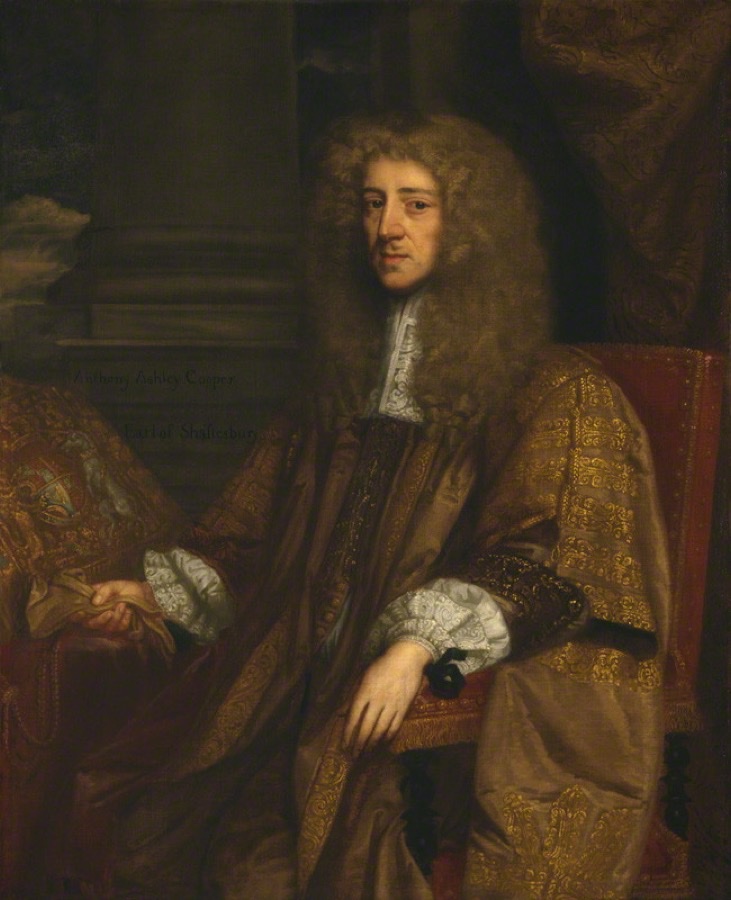
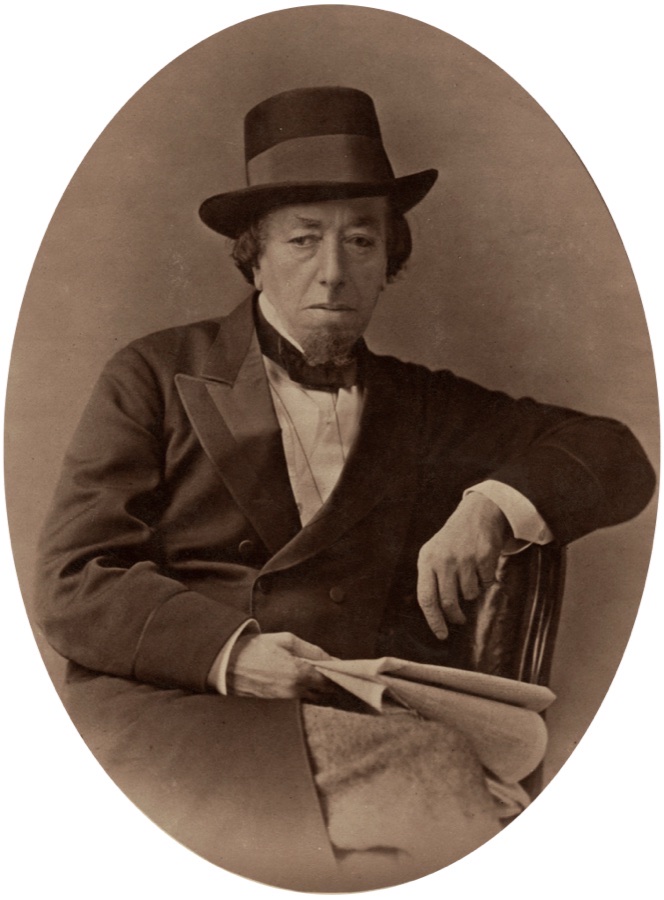
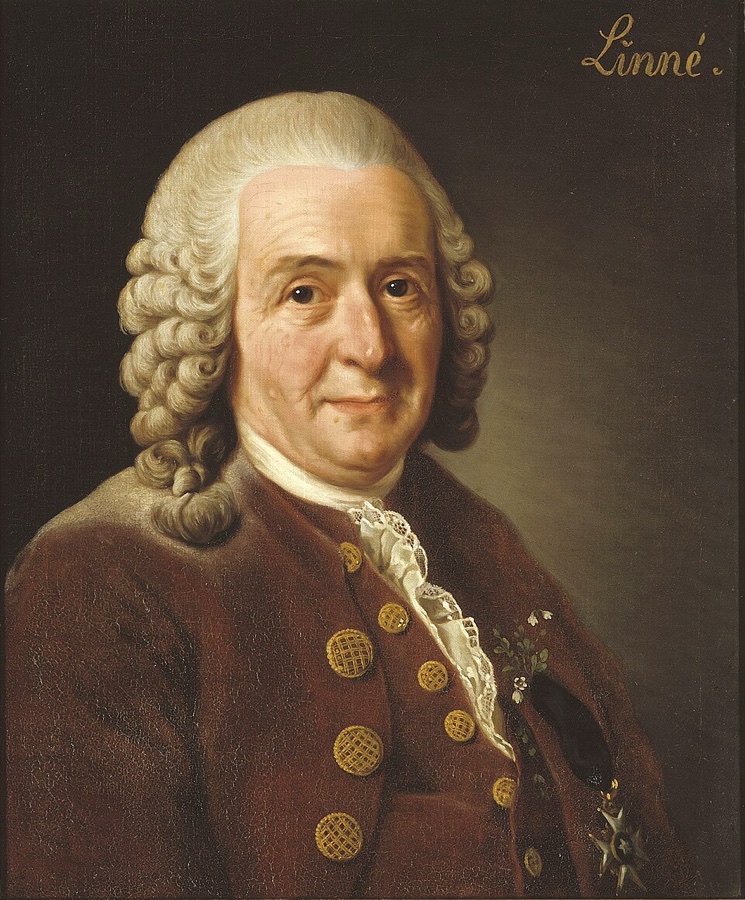
Closest Cox estimates
Kindred spirits
Browse all 488 historical figures
- Wu Zetian
- Rani of Jhansi
- Hatshepsut
- Mansa Musa
- Marie Curie
- Tarsila do Amaral
- Harriet Tubman
- Edith Cowan
- Di Renjie
- Rabindranath Tagore
- Ibn al-Haytham
- Nzinga of Ndongo and Matamba
- Ada Lovelace
- Sor Juana Inés de la Cruz
- Katherine Johnson
- Whina Cooper
- Li Bai
- Kartini
- Cleopatra
- Wangari Maathai
- Leonardo da Vinci
- Gabriela Mistral
- Grace Hopper
- Albert Namatjira
- Du Fu
- Ashoka
- Ibn Battuta
- Nelson Mandela
- Jane Austen
- Toussaint Louverture
- Jackie Robinson
- Liliʻuokalani
- Shangguan Wan'er
- Aryabhata
- Ibn Khaldun
- Kimpa Vita
- Hildegard of Bingen
- Simón Bolívar
- Rachel Carson
- Duke Kahanamoku
- Xuanzang
- Akbar
- Hypatia
- Yaa Asantewaa
- Joan of Arc
- José de San Martín
- Helen Keller
- Tupua Tamasese Lealofi III
- Confucius
- Razia Sultan
- Zaha Hadid
- Taytu Betul
- Florence Nightingale
- Manuela Sáenz
- Frederick Douglass
- Epeli Hauʻofa
- Sima Qian
- Kabir
- Saladin
- Cheikh Anta Diop
- Maria Sibylla Merian
- Bartolina Sisa
- Sojourner Truth
- David Gulpilil
- Ban Zhao
- Ahilyabai Holkar
- Cyrus the Great
- Ahmad Baba al-Timbukti
- Socrates
- Micaela Bastidas
- Susan B. Anthony
- Don Bradman
- Cai Lun
- Savitribai Phule
- Avicenna
- Nana Asmaʼu
- Aristotle
- Pachacuti
- Ida B. Wells
- Kate Sheppard
- Zhuge Liang
- Sarojini Naidu
- Al-Khwarizmi
- Olaudah Equiano
- Archimedes
- Nezahualcoyotl
- Rosa Parks
- Ernest Rutherford
- Li Qingzhao
- Srinivasa Ramanujan
- Al-Biruni
- Samuel Ajayi Crowther
- Sappho
- K'inich Janaab' Pakal
- Martin Luther King Jr.
- Peter Buck
- Su Shi
- C. V. Raman
- Omar Khayyam
- Yohannes IV
- Julius Caesar
- Anacaona
- George Washington Carver
- Shen Kuo
- Amrita Sher-Gil
- Rumi
- Shaka
- Seneca the Younger
- Clorinda Matto de Turner
- Benjamin Franklin
- Li Shizhen
- Jagadish Chandra Bose
- Ferdowsi
- Khama III
- Charlemagne
- Juan Rulfo
- Alexander Graham Bell
- Xu Xiake
- Begum Rokeya
- Ulugh Beg
- Charlotte Maxeke
- Eleanor of Aquitaine
- Gabriel García Márquez
- Bessie Coleman
- Zheng He
- Abdul Sattar Edhi
- Mimar Sinan
- Sol Plaatje
- Dante Alighieri
- Amelia Earhart
- Wang Yangming
- Anawrahta
- Evliya Çelebi
- Chinua Achebe
- Michelangelo
- Machado de Assis
- Sacagawea
- Qin Liangyu
- Suriyothai
- Huda Sha'arawi
- Mariama Bâ
- Artemisia Gentileschi
- Carolina Maria de Jesus
- Sarah Winnemucca
- Song Yingxing
- Sunthorn Phu
- Umm Kulthum
- Miriam Makeba
- Nicolaus Copernicus
- Violeta Parra
- Lozen
- Qiu Jin
- Nguyễn Trãi
- Shajar al-Durr
- Chris Seydou
- Galileo Galilei
- Celia Cruz
- Kenojuak Ashevak
- Lin Huiyin
- Hồ Xuân Hương
- Mahmud al-Kashgari
- Sechele I
- Johannes Kepler
- Ynes Mexia
- Emily Carr
- Genghis Khan
- José Rizal
- Isaac Newton
- Bertha Lutz
- Lucy Maud Montgomery
- Murasaki Shikibu
- Apolinario Mabini
- Gottfried Wilhelm Leibniz
- Alberto Santos-Dumont
- Viola Desmond
- Sei Shōnagon
- Elizabeth I
- Hokusai
- William Shakespeare
- Miyamoto Musashi
- Miguel de Cervantes
- Yosano Akiko
- Ludwig van Beethoven
- Sejong the Great
- Wolfgang Amadeus Mozart
- Yi Sun-sin
- Mary Wollstonecraft
- Shin Saimdang
- Mary Shelley
- Heo Jun
- Mary Anning
- Sofya Kovalevskaya
- Emmy Noether
- Rosalind Franklin
- Alan Turing
- Lise Meitner
- Fridtjof Nansen
- Sophia Brahe
- Maria Montessori
- Napoleon Bonaparte
- Voltaire
- Blaise Pascal
- Gilbert Burnet
- Francis Bacon
- George Washington
- Charles Darwin
- Abraham Lincoln
- Thomas Jefferson
- René Descartes
- John Milton
- Johann Wolfgang von Goethe
- Alexander von Humboldt
- Carl Linnaeus
- James Watt
- William Herschel
- Martin Luther
- Desiderius Erasmus
- John Locke
- Thomas Hobbes
- Jean-Jacques Rousseau
- David Hume
- Immanuel Kant
- Jonathan Swift
- Raphael
- Albrecht Dürer
- William Harvey
- Michael Faraday
- Robert Boyle
- Joseph Priestley
- Antoine-Laurent Lavoisier
- Christiaan Huygens
- Hans Christian Ørsted
- Adam Smith
- Jeremy Bentham
- Charlotte Brontë
- Elizabeth Gaskell
- Harriet Martineau
- George Eliot
- Henry Wadsworth Longfellow
- John Napier
- Alexander Hamilton
- John Stuart Mill
- Ulysses S. Grant
- Charles Dickens
- Walter Scott
- Molière
- William Wordsworth
- Thomas More
- Samuel Johnson
- Rembrandt
- Peter Paul Rubens
- Diego Velázquez
- Nathaniel Hawthorne
- Hans Christian Andersen
- Johann Sebastian Bach
- Felix Mendelssohn
- Gioachino Rossini
- Ralph Waldo Emerson
- Robert Fulton
- James Madison
- John Quincy Adams
- William Wilberforce
- William Lloyd Garrison
- Joseph Haydn
- George Frideric Handel
- Friedrich Schiller
- Jean le Rond d’Alembert
- Georges Cuvier
- Humphry Davy
- Edward Gibbon
- Denis Diderot
- Robert Burns
- Michel de Montaigne
- Antonio Canova
- James Cook
- Victor Hugo
- Anthony van Dyck
- Horatio Nelson
- John Adams
- William Penn
- Jean de La Fontaine
- Baruch Spinoza
- Hugo Grotius
- Alfred Tennyson
- Alexander Pope
- William Hogarth
- Ludovico Ariosto
- Montesquieu
- Samuel Taylor Coleridge
- Jacob Grimm
- Alexandre Dumas
- Honoré de Balzac
- Joshua Reynolds
- Nicolas Poussin
- Bartolomé Esteban Murillo
- Wilhelm von Humboldt
- Justus von Liebig
- Philipp Melanchthon
- Lord Byron
- Pierre Corneille
- Pierre-Simon Laplace
- Daniel Webster
- Alphonse de Lamartine
- Torquato Tasso
- Benjamin Disraeli
- John Calvin
- Joseph Addison
- Thomas Carlyle
- Georg Wilhelm Friedrich Hegel
- Jean Racine
- John Hunter
- George Fox
- Thomas Cranmer
- Théodore de Bèze
- Joachim Murat
- Giuseppe Mazzini
- Marquis de Condorcet
- Thomas Chatterton
- Anne Robert Jacques Turgot
- Nicolas Malebranche
- Georges Jacques Danton
- Thomas Chalmers
- Charles XIV John
- Friedrich Gottlieb Klopstock
- Thomas Wolsey
- David Farragut
- John Bunyan
- Giacomo Leopardi
- Robert Southey
- Ludvig Holberg
- Hugh Miller
- John Henry Newman
- Charles Sumner
- David Livingstone
- François Fénelon
- Honoré Gabriel Riqueti, Count of Mirabeau
- William Pitt the Younger
- Emanuel Swedenborg
- Thomas Babington Macaulay
- Charles James Fox
- Georges-Louis Leclerc, Comte de Buffon
- Robert Peel
- George Sand
- Germaine de Staël
- Ben Jonson
- Madame de Sévigné
- Cardinal Richelieu
- Pierre Gassendi
- Gotthold Ephraim Lessing
- Camillo Benso, Count of Cavour
- George Monck
- William Hickling Prescott
- Pierre-Jean de Béranger
- Pierre-Augustin Caron de Beaumarchais
- Francis Drake
- Jean Victor Moreau
- Thomas Moore
- Samuel Clarke
- William Ellery Channing
- Richard Wagner
- William Makepeace Thackeray
- Gebhard Leberecht von Blücher
- Charles-Guillaume Étienne
- Francis Atterbury
- Edward Bulwer-Lytton
- Friedrich Schleiermacher
- François Arago
- Joseph Fouché
- Edmund Spenser
- Joseph-Louis Lagrange
- Johann Gottfried Herder
- Christian von Bunsen
- Daniel Defoe
- Warren Hastings
- Félicité de Lamennais
- Richard Cobden
- Christoph Martin Wieland
- George Berkeley
- John Law
- Madame de Maintenon
- Lope de Vega
- Richard Bentley
- Oliver Goldsmith
- Vittorio Alfieri
- Edmund Burke
- Oliver Cromwell
- Maximilien Robespierre
- François Guizot
- Andrew Jackson
- Jacques Necker
- Joseph Louis Gay-Lussac
- Henry Fielding
- Albrecht von Haller
- Jacques-Bénigne Bossuet
- Auguste Comte
- John Dryden
- Adolphe Thiers
- Victor Cousin
- William Pitt the Elder
- François-René de Chateaubriand
- Jean-de-Dieu Soult
- Lazare Carnot
- Pedro Calderón de la Barca
- Ali Pasha of Ioannina
- Heinrich Heine
- John Wesley
- Johann Joachim Winckelmann
- Richard Brinsley Sheridan
- Carl Maria von Weber
- Sir William Hamilton
- Anthony Ashley Cooper, 1st Earl of Shaftesbury
- John Bright
- Herman Boerhaave
- Washington Irving
- André Masséna
- Benjamin Constant
- Johann Reuchlin
- Charles-Augustin Sainte-Beuve
- Richard Baxter
- Edward Jenner
- Louis Agassiz
- Muhammad Ali of Egypt
- Cornelius Jansen
- Robert Walpole
- Tommaso Campanella
- Antoine Arnauld
- Ernest Renan
- Robert Blake
- Joseph Justus Scaliger
- Gerolamo Cardano
- William Cowper
- Alfred de Musset
- Claude Adrien Helvétius
- Augustin Pyramus de Candolle
- Sir William Temple
- Giovanni Pierluigi da Palestrina
- William Robertson
- David Friedrich Strauss
- Jules Mazarin
- Walter Raleigh
- Giulio Alberoni
- Johann Gottlieb Fichte
- Albrecht von Wallenstein
- Friedrich Wilhelm Joseph Schelling
- Robert Clive
- Auguste de Marmont
- Girolamo Savonarola
- John Churchill, 1st Duke of Marlborough
- Huldrych Zwingli
- George Canning
- August von Kotzebue
- André-Marie-Jean-Jacques Dupin
- Friedrich August Wolf
- Christoph Willibald Gluck
- George Grote
- Philip Dormer Stanhope
- Laurent de Gouvion Saint-Cyr
- William Warburton
- Léon Gambetta
- Robert E. Lee
- George Villiers, 4th Earl of Clarendon
- Philip Sheridan
- Michel Ney
- Marie François Xavier Bichat
- William Tecumseh Sherman
- Henri de Saint-Simon
- John Wilkes
- William Cobbett
- Jean-Sylvain Bailly
- Sébastien Le Prestre de Vauban
- Pierre Bayle
- Pietro Metastasio
- Jacques-Auguste de Thou
- Henry Brougham
- Hernán Cortés
- Giuseppe Garibaldi
- Barthold Georg Niebuhr
- Michel de L’Hôpital
- Jean-Paul Marat
- Francesco Guicciardini
- Jöns Jacob Berzelius
- Pierre Victurnien Vergniaud
- Lancelot Andrewes
- Paolo Sarpi
- Ludwig Tieck
- Daniel O’Connell
- William Henry Seward
- John Franklin
Method and data limits
Twelve choices describe your approach in six areas. We compare it with a story profile written for each figure and pick the closest overall. Ties favor more exact matches across the six areas, then a fixed identifier. Profiles are editorial interpretations of historical lives and work. The result is for fun.
The story match is a just-for-fun score based on six-dimensional distance. Kindred spirits prioritize other regions or fields, and polar opposites are the furthest away.
- What was Cox’s IQ estimate for Charles-Augustin Sainte-Beuve?
- Cox’s corrected estimates are 155 for childhood and 165 for youth. Cox (1926) estimated early development from biographies. The historical estimates and modern test scores have no conversion. The curve is illustrative.
- Which MBTI archetype fits Charles-Augustin Sainte-Beuve?
- ISTJ · Biographical reader. The MBTI letters, tendency percentages and Big Five tags are editorial interpretations for comparing characters.


